Defence research
When the hardware is captured, what happens to the model?
Published · 4 min read
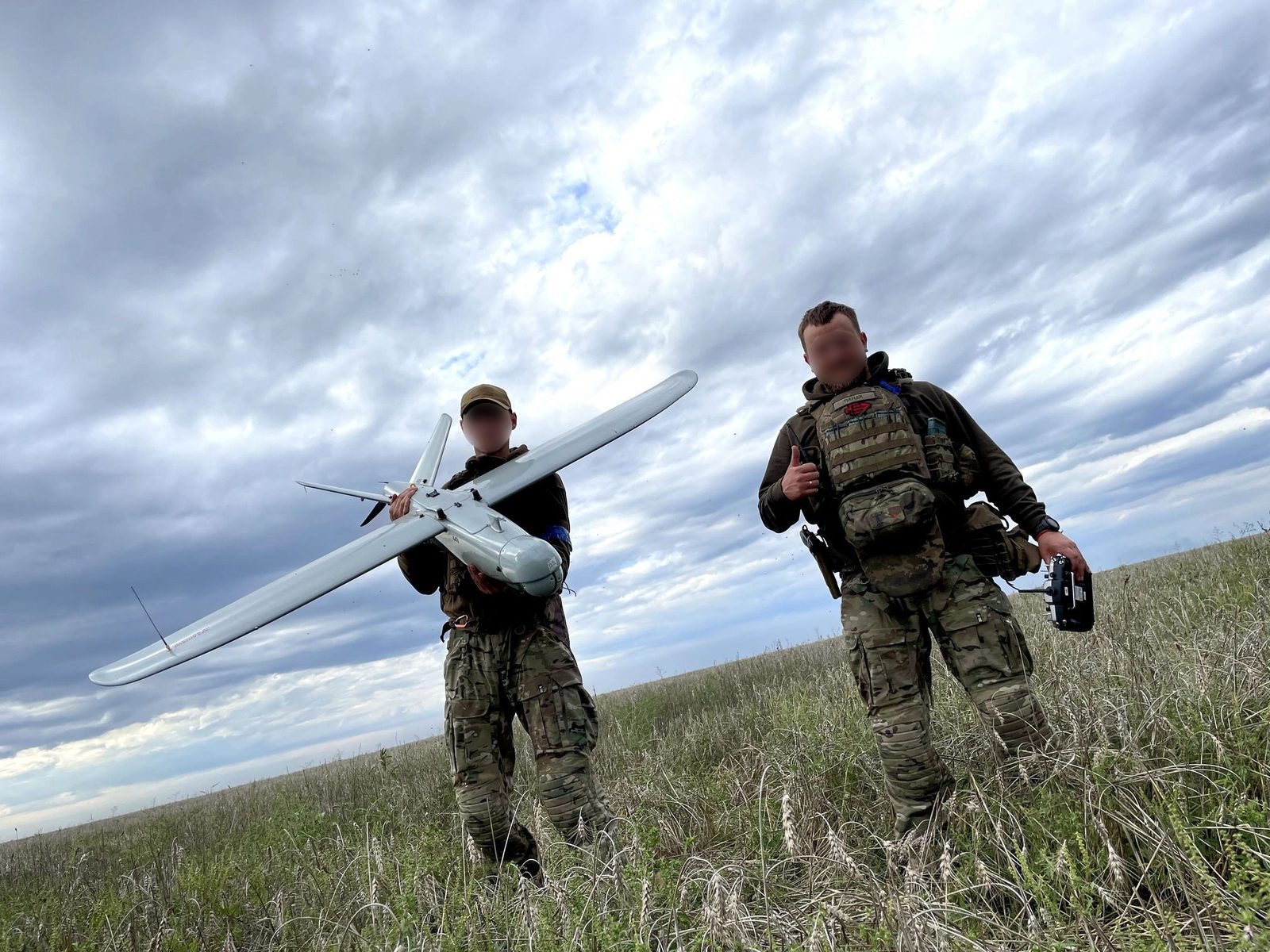
Photo: 4th Rapid Reaction Brigade, National Guard of Ukraine.Source: Wikimedia CommonsLicence: CC BY 4.0National Guard of Ukraine (ngu.gov.ua)
Autonomy is moving onto the platform. That is good for resilience when links are jammed. It also means more trained models sit on hardware that may end up in someone else's hands.
The announcement
On 26 August 2026, Palladyne AI and NORDA Dynamics announced a collaboration to integrate Palladyne's SwarmOS collaborative autonomy software with NORDA's Underdog autonomy module. According to the release, SwarmOS provides distributed, edge-based perception and multi-target coordination, and NORDA's systems provide GNSS-denied navigation, target recognition and onboard decision-making designed to keep working amid electronic warfare. The companies plan to integrate and jointly demonstrate the combined system, subject to governmental approvals.
Wodan has no involvement with either company or with this programme. We cite the release because it shows clearly where the industry is heading: more of the intelligence runs on the device itself.
Two different problems
Jamming resilience is about keeping a system working when its links are degraded. Onboard models help because the platform does not need to phone home. That is a radio and navigation problem.
Model confidentiality is about what happens to the trained model when someone else holds the hardware. A recovered airframe, a captured ground station or an exported system can be opened, imaged and studied. If the classifier is stored and run in plaintext, the capability can travel with the hardware.
These problems do not solve each other. Wodan does not stop radio or GNSS jamming, and nothing in encrypted model deployment makes a platform more resilient to electronic warfare.
Why custody matters
Systems are lost, captured and recovered. Partners receive equipment. Coalition members want to run a capability without being handed the model behind it. In each case the question is whether possession of the hardware gives possession of the model.
The defence sector already treats anti-tamper as a design concern. Trained models are a newer asset in that picture, and they are often the part that took the longest to build.
Where Wodan fits, and where it does not
Our defence work is research and lighthouse work, not a commercial product line. Encrypted inference fits places such as ground control stations, forward servers, post-mission exploitation and classifier back-ends on partner equipment, where the weights can stay encrypted while the model runs.
It does not fit onboard the airframe, terminal guidance or real-time sensor loops. Fully homomorphic encryption adds computational cost, and whether a given model and host meet a given mission's needs is something to measure, not assume. Performance and hardware compatibility are evaluated per model and target.
For grant evaluators, OEM software leads and research teams, the useful conversation is architectural: which models sit where, who holds the keys, and what an adversary holding the hardware would actually recover.
Related
Defence research